OUFITS MATTER!
Olivia's Styling Guide
BASED IN RICHLANDS - NORTH CARLINA
Moments of Real Preciousness

BASED IN NASHVILLE - TENNESSEE
Moments of Real Preciousness
DECIDING ON DATE & TIME
Capturing light, feelings & moments and all the things in between people and life.
I am a natural light photographer because I believe that natural light, from the sun and its reflections, creates beautiful photographs that feel timeless and authentic. And in sun-drenched NC, we’re in the right place for knockout natural lighting all year round.
DATE:
Most clients schedule their sessions on weekends (Friday, Saturday, Sunday) so my weekends sometimes book out several weeks in advance, but my week days are usually available too. If you have a flexible schedule and are able to shoot on Tuesday, Wednesday, or Thursday, I can usually fit you in right away.
TIME:
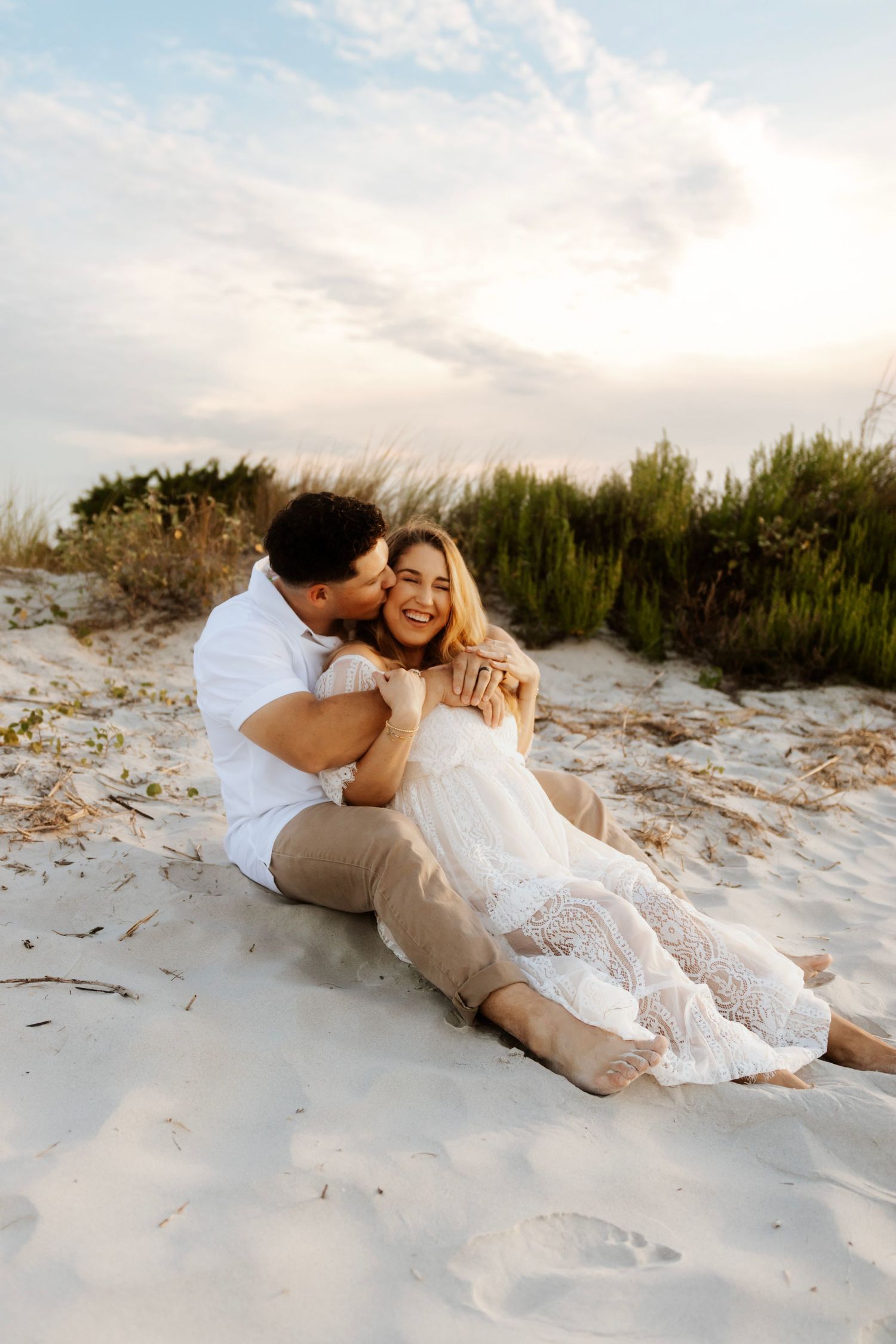
The best light for your photos will occur during “golden hour,” which is the hour immediately before sunset or right after sunrise, when the sun is close to the horizon and casts soft, rich light on the earth. Even after the sun disappears behind the horizon, we still have 20 minutes or so of soft twilight that’s ideal for photos. To establish a start time for your photo shoot, look up the sunset time for our shoot date (and location) and subtract an hour. That’s the best time for us to start.
Remember, the sun sets much earlier during winter and much later during summer, so make sure to factor that in when choosing your portrait session date, especially if you’re taking off work or have evening plans afterward.
PRO TIP FOR FAMILIES WITH KIDS
You can set you photos up for success by planning your photoshoot around a time of day when your kiddos are happiest. Even if that time doesn’t perfectly occur at golden hour, it’s more important to me that your kids are in a good mood than that the light is perfect. If your kids are happiest in the middle of the day, we can either select a location that has some shade to shoot in, or maybe consider an at-home session that is softly lit by a bright window nearby.
COLORS
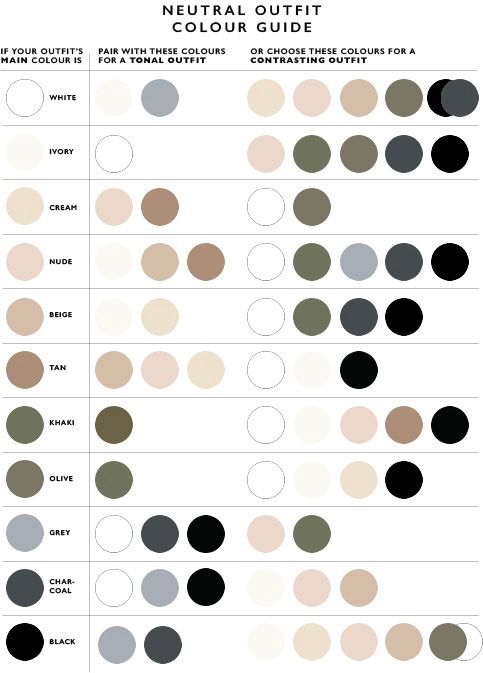
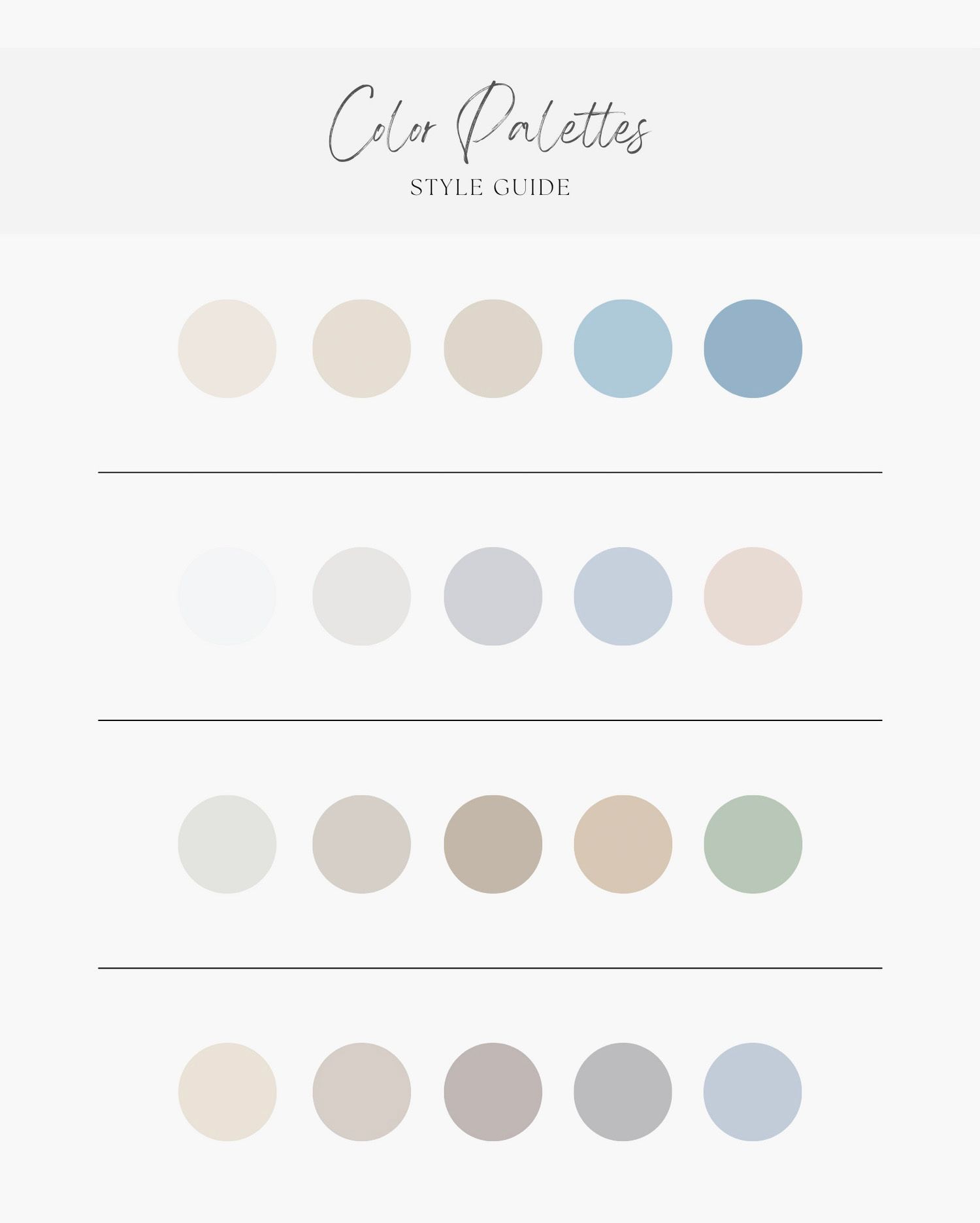
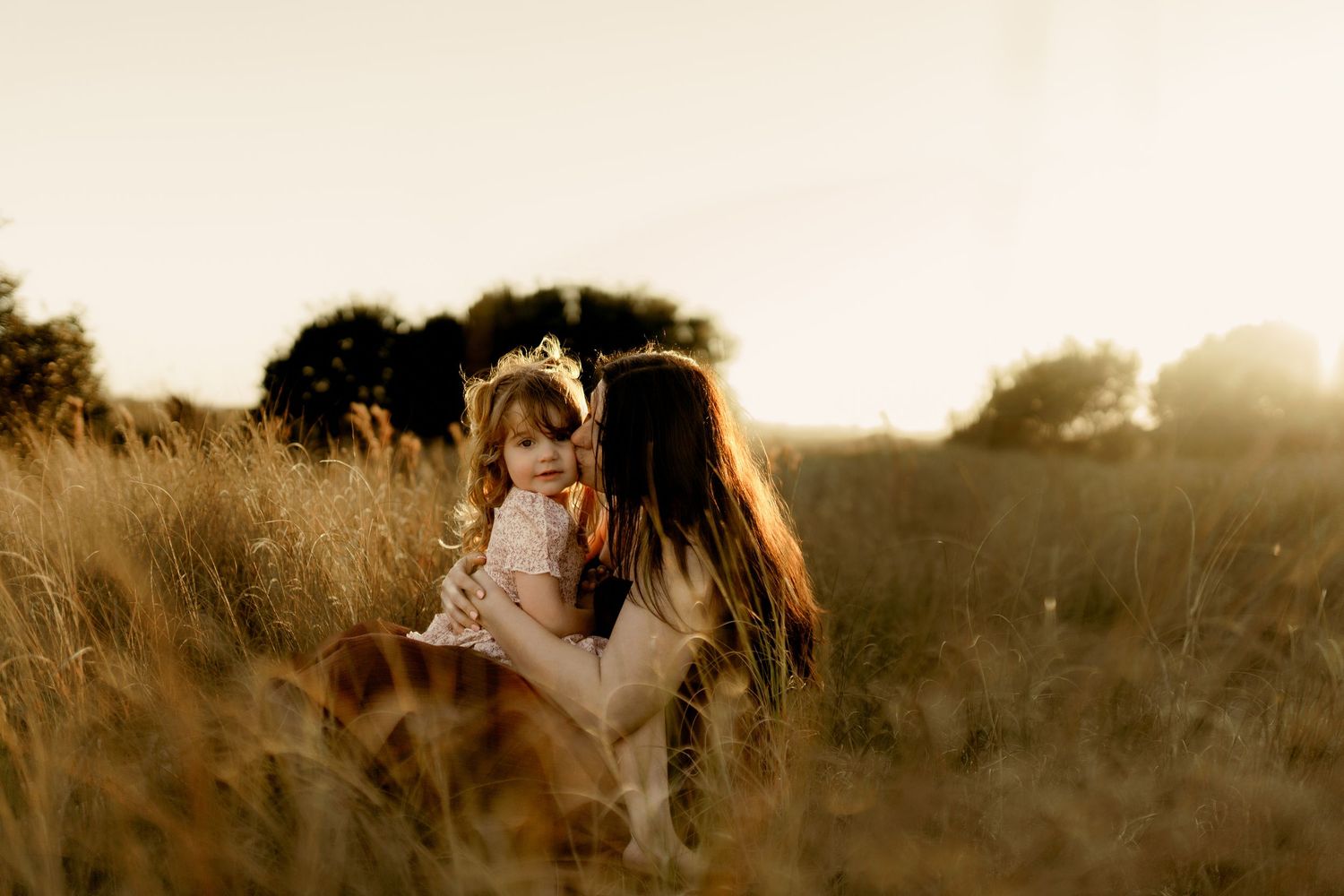
The colors you choose for your outfit should help you both stand out and harmonize with the surroundings. That’s why it’s a good idea to consider the location first. In general, think about using warm, neutral, earthy, rich, and vibrant tones. Each person should wear a different color. Instead of matching, opt for complementary colors that work well together. Adding a variety of neutral tones will help prevent the colors from being overwhelming. The colors you pick will also influence how my editing style looks on your photos. It’s best to stick with colors similar to those seen in my Facebook posts, as they likely caught your attention in the first place. Avoid cool tones like certain blues and greens, and steer clear of light gray whenever possible.
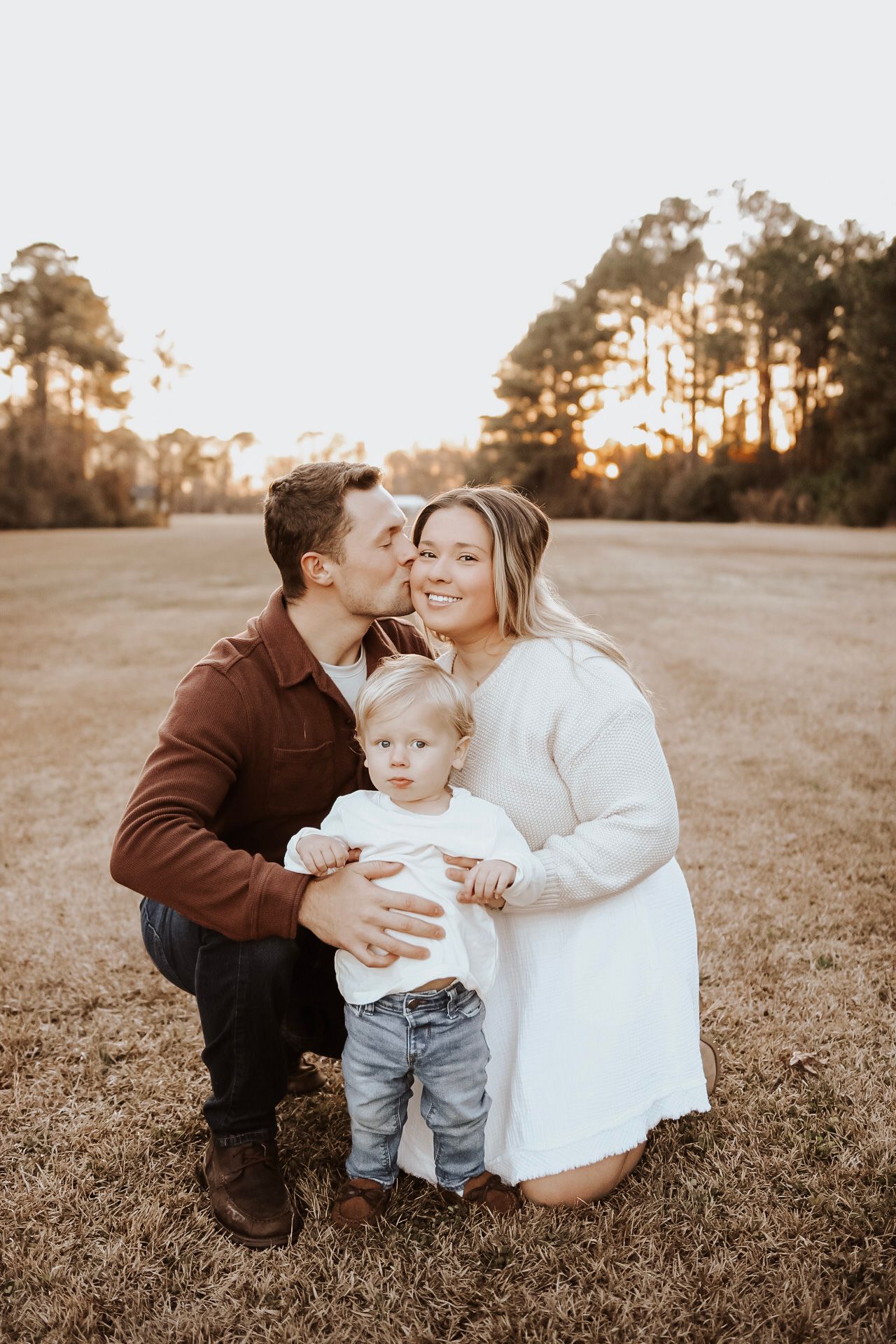
• Choose tones that are similar, but don’t try to match exactly (e.g., avoid everyone wearing blue jeans and white t-shirts).
• Neutral colors work well—try using 3-4 neutral tones as a base, and then coordinate everyone’s outfits around them (e.g., gray, tan, cream, blue, light brown, and white).
• Primary colors or shades of them tend to work great (e.g., yellow/mustard, red/maroon, blue/navy/royal). .
• Avoid fluorescent or overly bright shades—strong colors can work, but fluorescent tones are a no-go. If wearing bold colors, let it be a feature piece rather than the entire outfit (e.g., a mustard sweater paired with denim jeans). Also, avoid having everyone wear bold colors.
• For newborn shoots, stick to simple shades (gray, black, white with soft pops of blue or pink), and keep the clothing minimal.
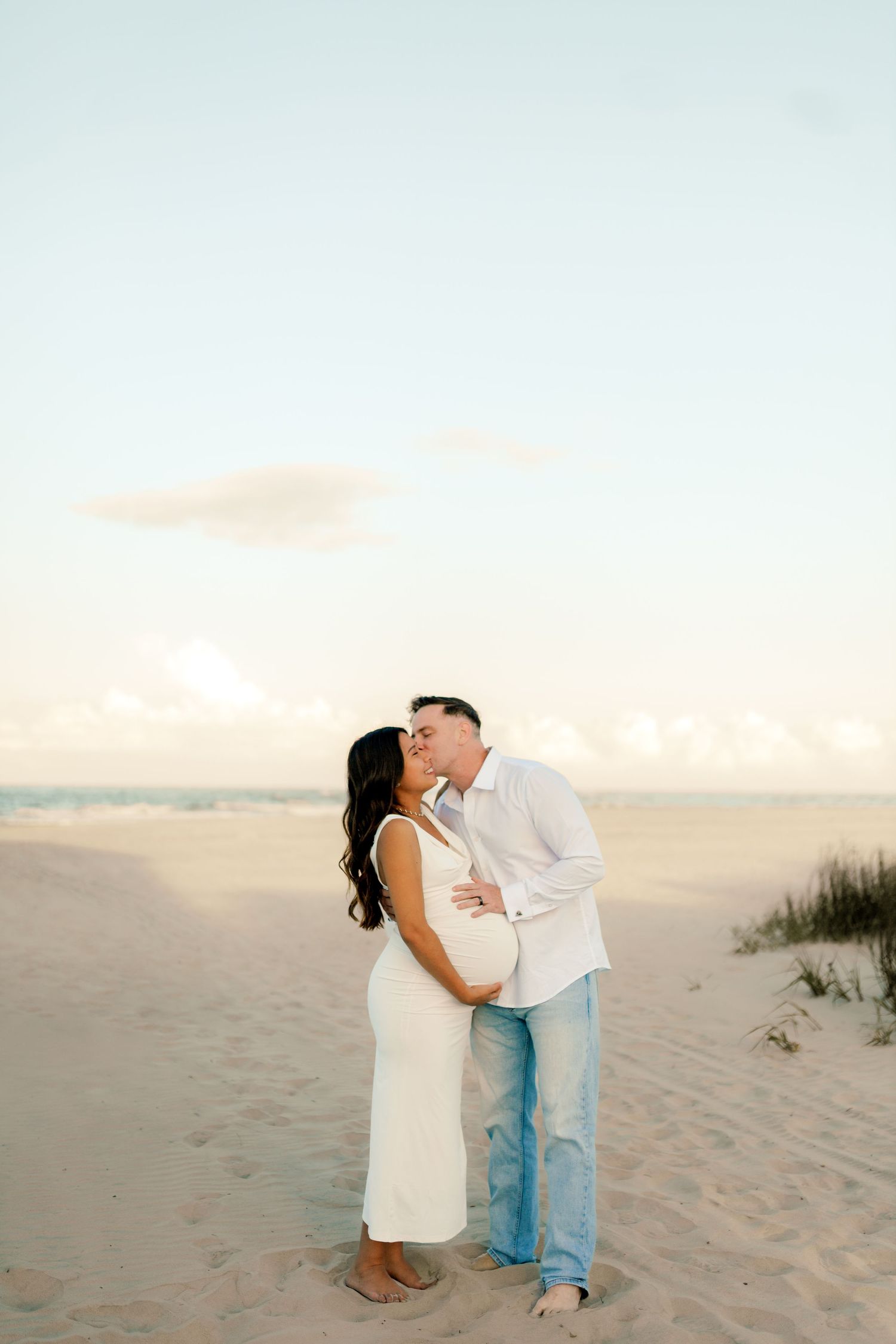
• Consider the location of your shoot—dress in colors that reflect the setting. For beach shoots, go for soft tones like white, cream, and light blue. If you’re in a park, field area contrast the greenery with warm colors such as red, orange, or yellow, paired with neutrals.
• Be careful with patterns—they work well, but not if everyone is wearing them. Florals are great for little girls and women. Stripes and spots can look good too, but only on one person.
• Avoid logos or text on clothing.
Style: • Textures and layers look fantastic—think of adding a shawl over a tank top, textured fabrics, or scarves and boots. For colder shoots, try layering beanies, jackets, or vests. Make sure the outfit style suits the location (e.g., high heels and formal dresses might look out of place in a forest setting).
• If you’re unsure where to start, choose one favorite outfit and build the rest of the looks around it.
• The most important thing is to feel comfortable in your clothes. The photos should reflect your real personality—so don’t feel the need to dress plainly if that’s not who you are.
• Think about footwear. Pair a nice dress with appropriate shoes like wedges, boots, or heels—avoid worn-out sandals or sneakers.
• Lastly, make sure you feel great in whatever you wear. There’s no need to buy a new outfit unless you want to—though it can be a fun excuse to shop!